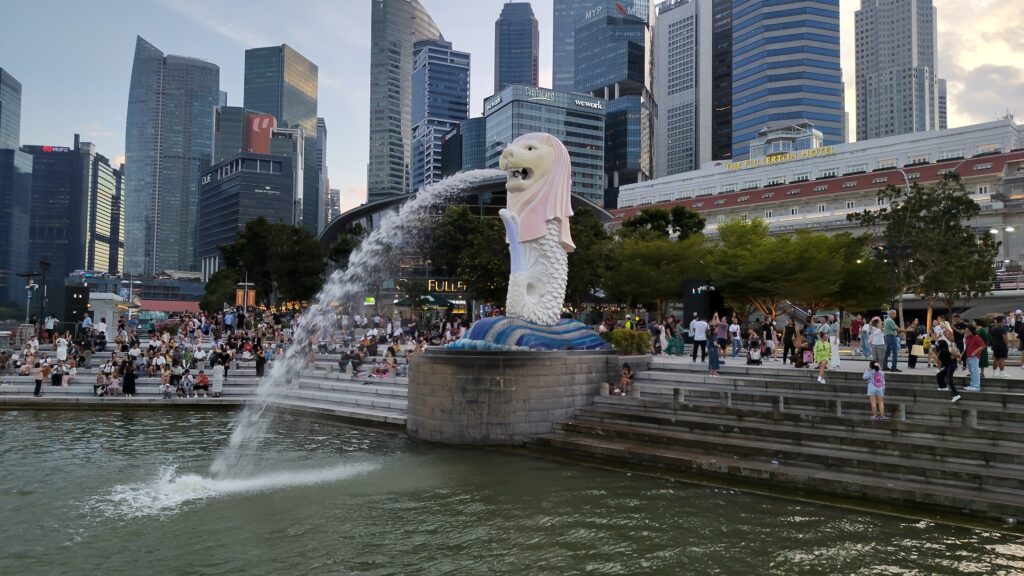
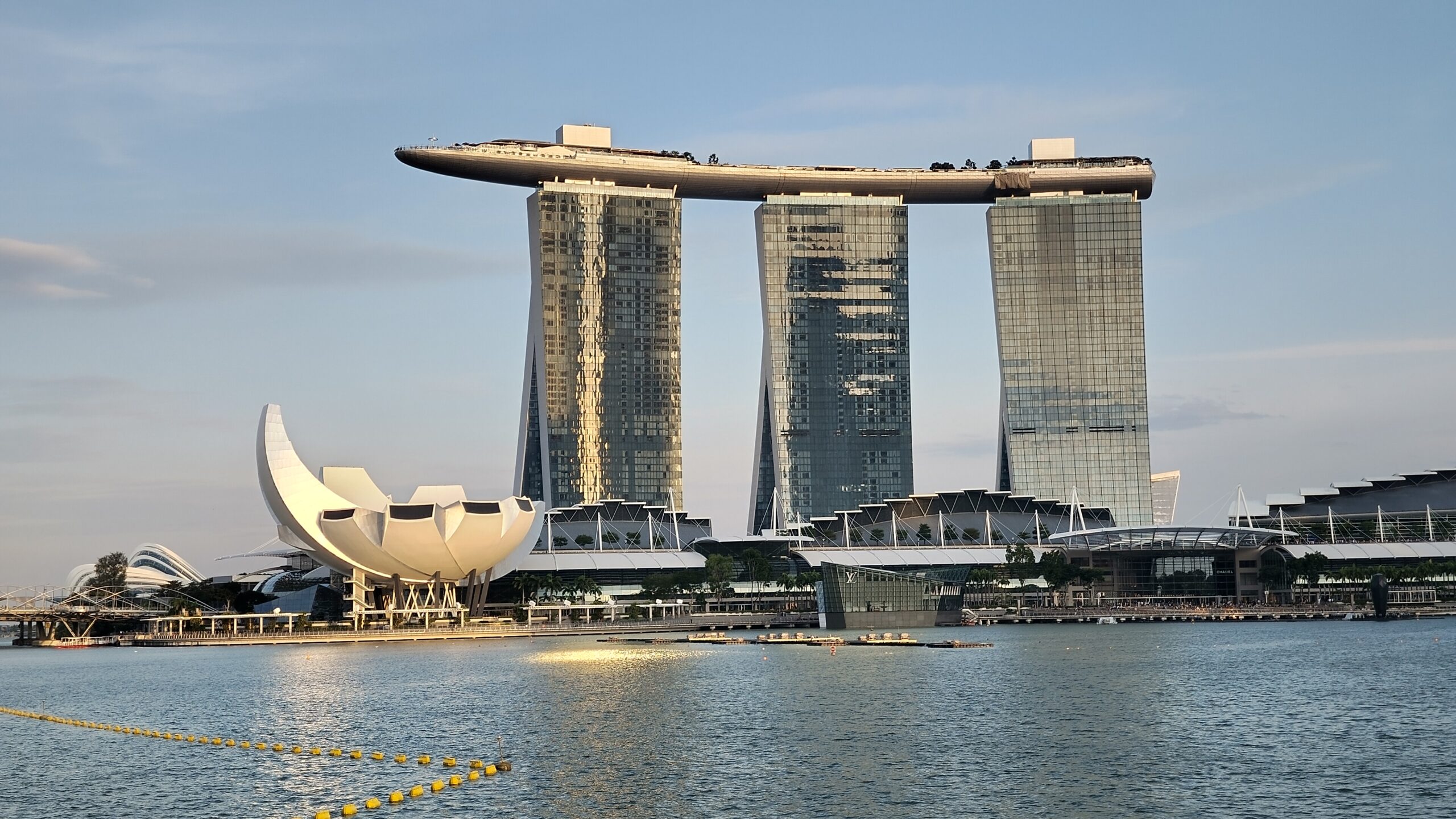
I spent four days in Singapore, arriving from Kuala Lumpur and leaving the same way. This compact city-state sits close to the equator, so it stays hot and humid most of the year. It also packs a surprising amount into a very small space.
What follows isn’t an ideal itinerary or a list of must-sees. Instead, it’s simply what I did and what stayed with me afterwards.
There are plenty of things I didn’t do. For example, Sentosa Island would make sense for many travellers, especially with more time. The Marina Bay Sands infinity pool is another obvious omission. This time, I felt more interested in understanding the city itself than in ticking off every headline attraction.
Arrival, Changi Airport, and Jewel
Singapore makes an impression early. Even after landing, security scanned my carry-on bag again before I could leave the airport. That caught me off guard, mainly because it rarely happens elsewhere in the world after arrival.
Changi Airport covers a huge area and consistently ranks among the best airports globally. It handles huge numbers of passengers, yet it still feels calm and efficient. Right at its centre sits Jewel, a nature-themed entertainment and retail complex. It belongs to the airport and also works as a destination in its own right.
Jewel doesn’t hide or stay understated. Instead, it announces itself. The scale, the waterfall, and the way greenery sits inside the structure echo what Singapore does best – you’ll see it again at Gardens by the Bay. It combines infrastructure, leisure space, and spectacle. In many cities, this single place would count as the main attraction. Here, however, it simply acts as the gate to the city.
Chinatown, Little India, and early impressions
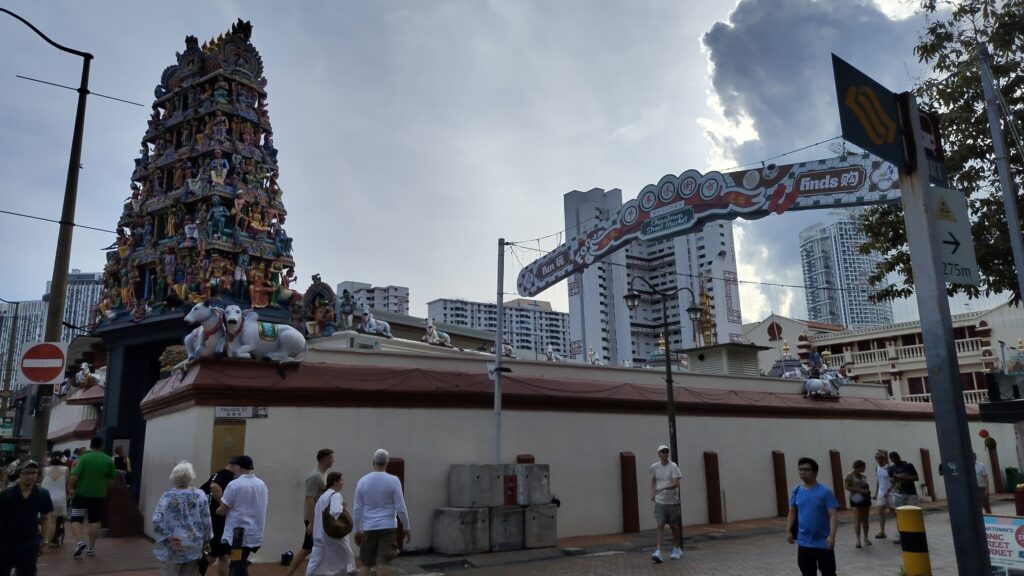
After checking into my accommodation, roughly halfway between the airport and Marina Bay, I spent the rest of the day wandering through Chinatown and Little India. Both areas felt busy and dense, yet they still felt organised.
Even in areas full of movement and people, Singapore rarely feels chaotic. Instead, that balance between energy and order shows up again and again as you move through the city.
Gardens by the Bay, Marina, and the river
I spent one full day around Marina Bay, including Gardens by the Bay and the Cloud Forest. What stood out didn’t come from the engineering itself. Rather, it stood out because the place doesn’t try to pretend it isn’t man-made.
This is a constructed landscape, and Singapore seems comfortable acknowledging that. There’s a very local attitude on display here: we can recreate nature if we want to. For example, the Supertrees harvest rainwater, use solar panels, and help generate energy. The park recycles water and uses plant waste to help power itself.
So the focus is nature, but also control and optimisation. The whole area shows what’s possible with enough planning and resources. Even where things feel lively, Singapore rarely feels chaotic. Once again, that balance between movement and control shows up repeatedly.
By the time it got dark, I had moved on to the Marina area and taken a river cruise. Floating between glass skyscrapers after spending the day in a carefully managed garden highlighted one of Singapore’s recurring contrasts: greenery and business, calm and ambition, side by side.
Mandai Wildlife Reserve: zoo and Night Safari
I dedicated another day to the Mandai Wildlife Reserve, home to the Singapore Zoo and Night Safari. People often describe it as one of the best zoos in the world. Places like Chester Zoo compete strongly, yet I’d still put Mandai among the very best.
The Night Safari, in particular, is a genuinely smart concept. Many animals live as nocturnal creatures, yet in most zoos they spend visiting hours asleep. Here, the park opens from around 6:30 p.m. until midnight, just as other sections close, so you can continue your day without rushing.
The team designed the lighting to mimic moonlight, so the animals don’t feel disturbed. As a result, you see them behaving more naturally – moving, feeding, interacting. The experience feels considered rather than theatrical.
I didn’t manage to visit River Wonders or Bird Paradise, and when I travelled there in September 2024, the rainforest section still hadn’t opened. Even so, it was obvious that one day doesn’t give you enough time to see everything properly. You have to choose what matters most.
Walking the city, just before the Grand Prix
On my final day, I mostly walked. I followed routes suggested by my guidebook and explored the city centre at street level. Singapore’s world-class public transport system makes this kind of slow day very easy. You can reach almost anywhere quickly without needing a car.
I happened to visit in the days leading up to the Formula 1 Grand Prix. As a result, some routes were blocked or rerouted, and getting around took a bit more planning. However, it was still interesting to see how the city transforms itself for an event of that scale.
Accommodation prices were already climbing fast for the weekend. Staying even one extra night would have cost noticeably more.
One practical surprise was payment. In smaller local shops, foreign debit or credit cards often simply failed. Having some cash in Singapore dollars helped a lot, especially for small purchases like a bottle of water, which you’ll drink a lot because of the heat.
History, politics, and what sits underneath
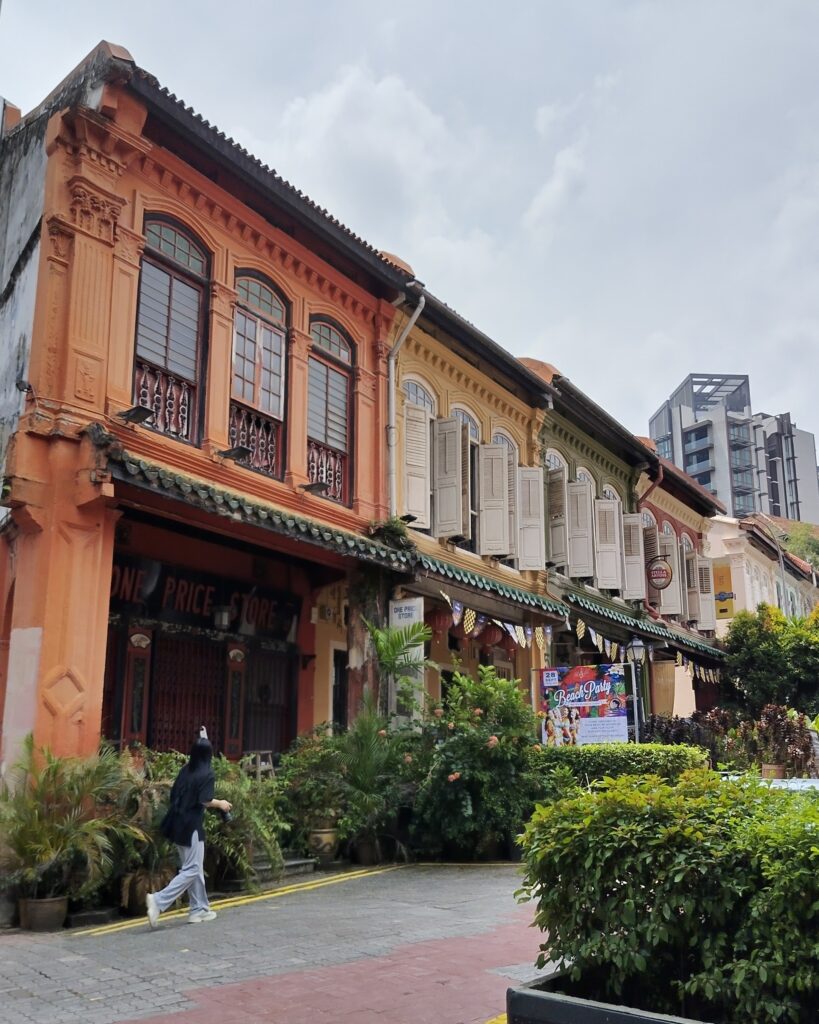
To understand Singapore properly, it helps to know a little about its history and political structure. The city grew as a British trading post because of its strategic position on the Strait of Malacca, much like Penang. Large numbers of Chinese migrants arrived and shaped both the economy and the culture. That influence remains very visible today.
Later, Singapore briefly joined Malaysia, and tensions escalated quickly. Malaysia eventually expelled Singapore, which left the city-state independent, resource-poor, and largely on its own. As Lee Kuan Yew famously noted, all they really had was their people. What they built from that starting point is impressive by any standard.
At the same time, the official story that visitors often hear comes heavily polished. A podcast I listened to while there challenged the familiar narrative around figures like Stamford Raffles and painted a more complicated and less flattering picture. That extra context made the city more interesting to me, not less.
Singapore officially promotes multiracialism, yet Chinese cultural dominance clearly shapes everyday life – from language use to business and political leadership. Unlike Malaysia, the law doesn’t spell this out, but it still shapes how the country functions.
Economic success comes with costs. The state manages political dissent tightly, and living here often means long hours and high expectations. There’s a very good video that explains this side of Singapore clearly, which I’ll link here.
Despite all that, I felt extremely safe throughout my stay. It’s one of the few places where I didn’t encounter any tourist scams at all.
What stayed with me
Singapore aims for excellence and doesn’t feel shy about showing it. In many areas, it genuinely performs at a world-class level, and it has plenty to be proud of.
However, if you look beyond what appears on the surface and take time to learn how the city actually works, you start to notice the trade-offs that make that success possible. It’s still a place I’d happily return to and probably will if I ever get the chance.